
Unveiling the Magic of Christmas Traditions and Celebrations
- nmz210
- Dec 24, 2025
- 3 min read
Christmas holds a special place in the hearts of millions around the world. The season brings a unique blend of joy, warmth, and togetherness that few other holidays can match. But what truly makes Christmas magical are the traditions and celebrations that have been passed down through generations. These customs create a sense of belonging and wonder, connecting people across cultures and time.

The Origins of Christmas Traditions
Many Christmas traditions have roots that stretch back centuries, blending religious, cultural, and seasonal customs. The holiday originally celebrated the birth of Jesus Christ, but over time, it absorbed various local practices.
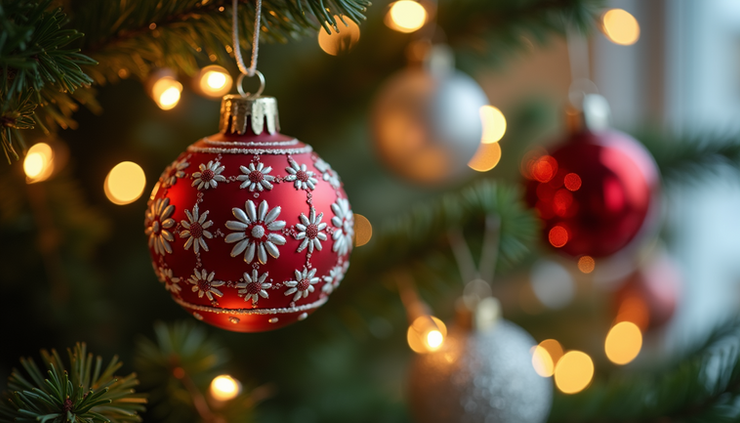
Christmas Trees: The tradition of decorating evergreen trees began in Germany during the 16th century. Families brought trees indoors and adorned them with candles, fruits, and handmade ornaments. Today, Christmas trees symbolize life and hope during the winter months.
Gift Giving: Inspired by the story of the Three Wise Men bringing gifts to Jesus, exchanging presents has become a central part of Christmas. This act reflects generosity and kindness.
Caroling: Singing Christmas carols dates back to medieval times when groups would go door-to-door spreading cheer through song. This practice continues to foster community spirit.
These traditions have evolved but still carry the essence of celebration and connection.
How Different Cultures Celebrate Christmas
Christmas is celebrated worldwide, but the ways people observe the holiday vary widely. Exploring these differences reveals the rich tapestry of customs that make the season magical.
In Sweden, the celebration begins with St. Lucia’s Day on December 13. Girls dress in white robes with candles on their heads, symbolizing light in the dark winter.
In Mexico, Las Posadas reenacts Mary and Joseph’s search for shelter. This nine-day event includes processions, songs, and festive gatherings.
In the Philippines, the Christmas season is one of the longest, starting in September. Colorful lanterns called "parols" light up homes and streets.
In the United States and the UK, decorating homes with lights, hanging stockings, and enjoying festive meals are common. Santa Claus plays a central role in gift-giving traditions.
These examples show how Christmas adapts to local cultures while maintaining its core themes of joy and generosity.

The Role of Food in Christmas Celebrations
Food is a powerful part of Christmas magic. Sharing meals brings families and friends together, creating lasting memories.
Roast dinners are popular in many Western countries, often featuring turkey, ham, or goose.
Sweet treats like gingerbread cookies, fruitcakes, and mince pies add a festive touch.
Special drinks such as eggnog, mulled wine, and hot chocolate warm the spirit during cold winter nights.
Each dish tells a story and reflects the history and tastes of the region. Preparing and enjoying these foods is a way to honor tradition and celebrate abundance.
Creating New Traditions in Modern Times
While many cherish old customs, Christmas also offers space for new traditions. Families today often blend classic practices with personal touches.
DIY decorations made with children can add creativity and fun.
Volunteering or donating to those in need brings the spirit of giving to life.
Virtual gatherings have become common, allowing loved ones to connect across distances.
These new traditions keep the magic alive and relevant for each generation.
Why Christmas Traditions Matter
The magic of Christmas lies in the feelings these traditions evoke: warmth, hope, and connection. They help people slow down, appreciate what they have, and share joy with others.
Traditions provide comfort and stability during a busy time of year.
They create shared experiences that strengthen family bonds.
Celebrations offer a chance to reflect on values like kindness and generosity.
By participating in these customs, people tap into a collective spirit that transcends individual differences.


Comments